Effective Home Appliance Repair Solutions for Every Household
- Kelvin Hendricks
- Nov 19, 2025
- 4 min read
Home appliances are essential for daily living, making tasks easier and more efficient. When these appliances break down, it can disrupt your routine and cause frustration. Fortunately, many common appliance issues can be fixed with the right knowledge and tools. This guide offers practical appliance fixing tips and effective repair solutions to help you maintain and restore your household appliances.
Understanding Common Appliance Problems and Appliance Fixing Tips
Appliances like refrigerators, washing machines, ovens, and dishwashers often face similar issues. Knowing the typical problems can help you diagnose and fix them quickly.
Refrigerators: Common problems include temperature fluctuations, water leakage, and noisy operation. These issues often stem from dirty condenser coils, faulty door seals, or malfunctioning thermostats.
Washing Machines: Problems such as not spinning, water not draining, or strange noises usually relate to clogged filters, broken belts, or worn-out bearings.
Ovens and Stoves: Uneven heating, failure to ignite, or temperature inaccuracies can be caused by faulty heating elements, broken igniters, or defective thermostats.
Dishwashers: Issues like poor cleaning, water not draining, or leaks often result from clogged spray arms, blocked filters, or damaged door gaskets.
Appliance Fixing Tips
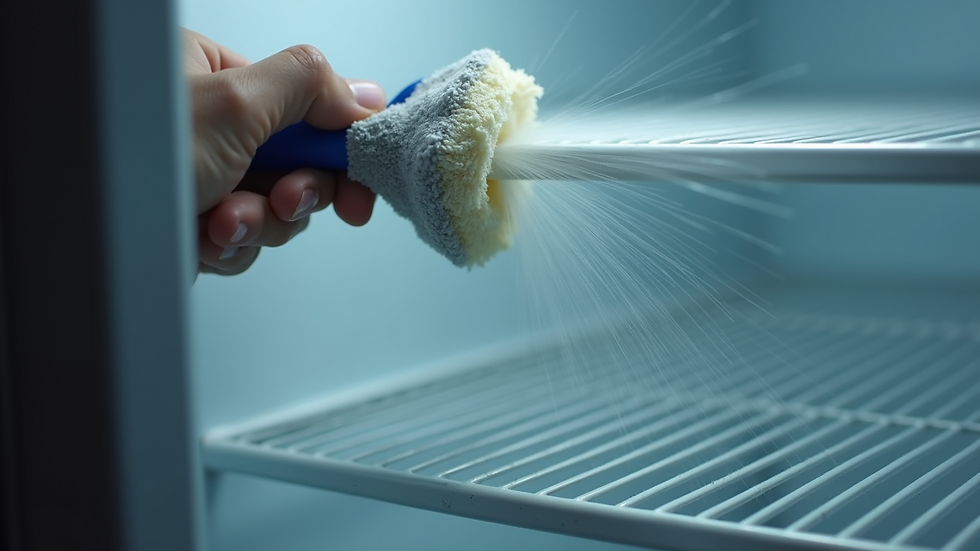
Regular Maintenance: Clean filters, coils, and vents regularly to prevent buildup that can cause malfunctions.
Check Power Supply: Ensure appliances are properly plugged in and circuit breakers are not tripped.
Use the Right Tools: Basic tools like screwdrivers, pliers, and multimeters can help you troubleshoot minor issues.
Follow Manufacturer Guidelines: Always refer to the user manual for specific maintenance and repair instructions.
Safety First: Disconnect appliances from power before attempting any repairs to avoid electric shock.
Is it Worth It to Fix an Appliance?
Deciding whether to repair or replace an appliance depends on several factors. Here are some points to consider:
Age of the Appliance: If your appliance is more than 8-10 years old, replacement might be more cost-effective.
Cost of Repair vs. Replacement: If repair costs exceed 50% of the price of a new appliance, buying new is often better.
Energy Efficiency: Newer models are usually more energy-efficient, which can save money on utility bills.
Frequency of Repairs: If you find yourself repairing the same appliance repeatedly, it may be time to invest in a new one.
Environmental Impact: Repairing extends the life of your appliance and reduces waste, which is better for the environment.
In many cases, simple repairs can extend the life of your appliance significantly. For more complex issues, consulting a professional can help you make the best decision.
DIY Repair Solutions for Common Appliances
Many appliance problems can be fixed at home with some basic knowledge and tools. Here are some DIY solutions for common issues:
Refrigerator Not Cooling
Clean the condenser coils with a vacuum or brush.
Check the door seals for gaps or damage and replace if necessary.
Ensure the thermostat is set to the correct temperature.
Defrost the freezer if there is excessive ice buildup.
Washing Machine Not Draining
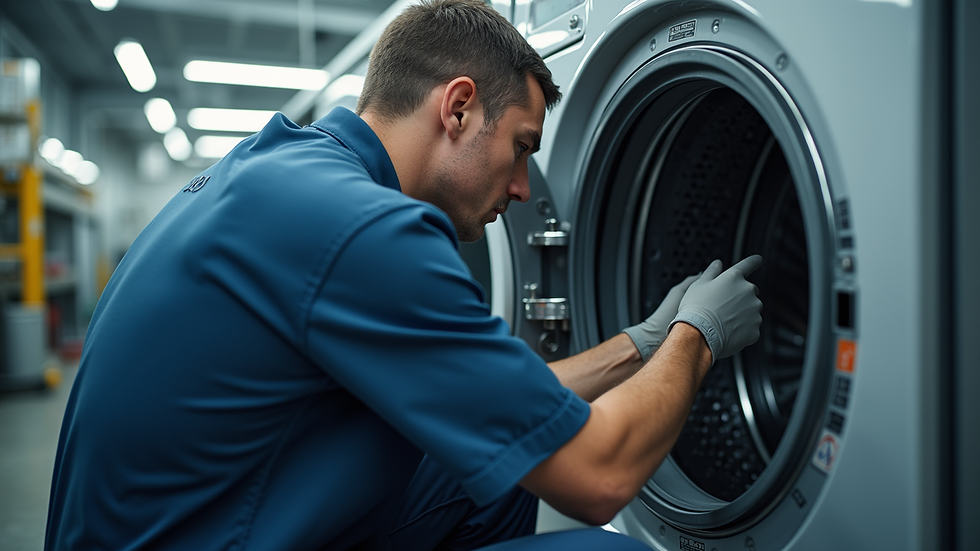
Clean the drain pump filter to remove lint and debris.
Check the drain hose for kinks or blockages.
Inspect the pump for damage and replace if needed.
Oven Not Heating Properly
Test the heating element with a multimeter for continuity.
Replace faulty heating elements or igniters.
Calibrate the thermostat if the temperature is inaccurate.
Dishwasher Leaking
Inspect and replace door gaskets if worn or damaged.
Clean the spray arms and filters regularly.
Check for cracks in the tub or hoses and repair or replace as needed.
When to Call a Professional for Home Appliance Repair
While many repairs can be done at home, some situations require professional expertise:
Electrical issues that involve wiring or circuit boards.
Gas appliance repairs, which can be dangerous without proper training.
Complex mechanical failures that require specialized tools.
Warranty-covered repairs to avoid voiding the warranty.
When you are unsure about the diagnosis or repair process.
Professional technicians have the experience and equipment to safely and effectively fix your appliances. For reliable service, consider contacting home appliance repair experts who can provide timely and affordable solutions.
Tips to Prevent Future Appliance Breakdowns
Preventive care is the best way to avoid costly repairs and extend the life of your appliances. Here are some tips:
Regular Cleaning: Keep appliances clean inside and out to prevent buildup and blockages.
Avoid Overloading: Do not overload washing machines or dishwashers, as this strains the motor and components.
Use Appliances Properly: Follow manufacturer instructions for use and avoid harsh chemicals or abrasive cleaners.
Schedule Routine Inspections: Have a professional inspect your appliances annually to catch issues early.
Replace Worn Parts Promptly: Small parts like belts, seals, and filters should be replaced as soon as they show signs of wear.
By following these tips, you can keep your appliances running smoothly and reduce the need for repairs.
Maintaining your household appliances with these effective repair solutions and appliance fixing tips can save you time and money. Whether you choose to tackle minor repairs yourself or seek professional help, understanding your appliances' needs is key to keeping your home running efficiently.


Comments